Fine-Tune Emotional Timing In Your AI Music Video Story Naturally
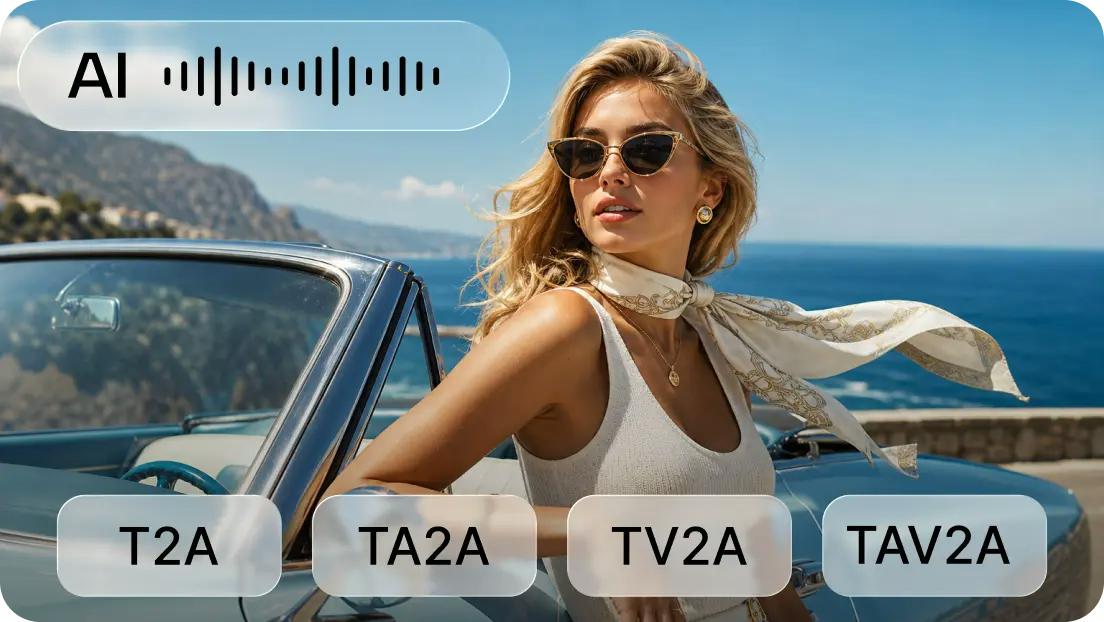
The emotional timing can make an AI music video feel like a natural progression or like something is cobbled together and put together mechanically. Music, narration, expression, movement, transitions, and pacing should contribute to one direction of emotion. Great timing allows for breathing space in crucial moments and quick moments for excitement. Pippit assists in producing and editing video stories using AI, with synchronised audio and visuals. Each scene can contribute to the story, rather than just following music beats, with careful planning.
Understanding Emotional Timing in AI Music Video Storytelling
Emotional timing refers to how the events in a story relate to how strongly the audience feels. Quick tempo can convey excitement, urgency, movement, or energy. A slower pace can be used to promote contemplation, intimacy, anticipation, or emotional release. Emotional build-up sets up big music and/or visual moments. So each scene must have an emotional intent, and not just be a visual filler. AI dubbing can also have an impact on the timing, especially when a voiceover has to align with a particular emotional beat. Timing is not beat matching, as emotional progression relies on meaning, context, delivery, and visual response.
Map the Emotional Arc Before Generating Scenes
First, determine the initial emotional state and the desired emotional reaction of the viewer. Indicate anticipation, tension, excitement, calm, vulnerability, and resolution throughout the story. Match significant words/music to significant emotional shifts. Determine where to increase, hold, decrease, or let go of the visual intensity. A helpful timeline can be created to distinguish between lyrical emphasis, instrumental changes, character reactions, and major visual reveals. By planning around SeedAudio 2.0 generation, it is possible to create better connections between prompts and desired progression of scenes. Transitions should coincide with changes in the narrative and not just because the scene time runs out.
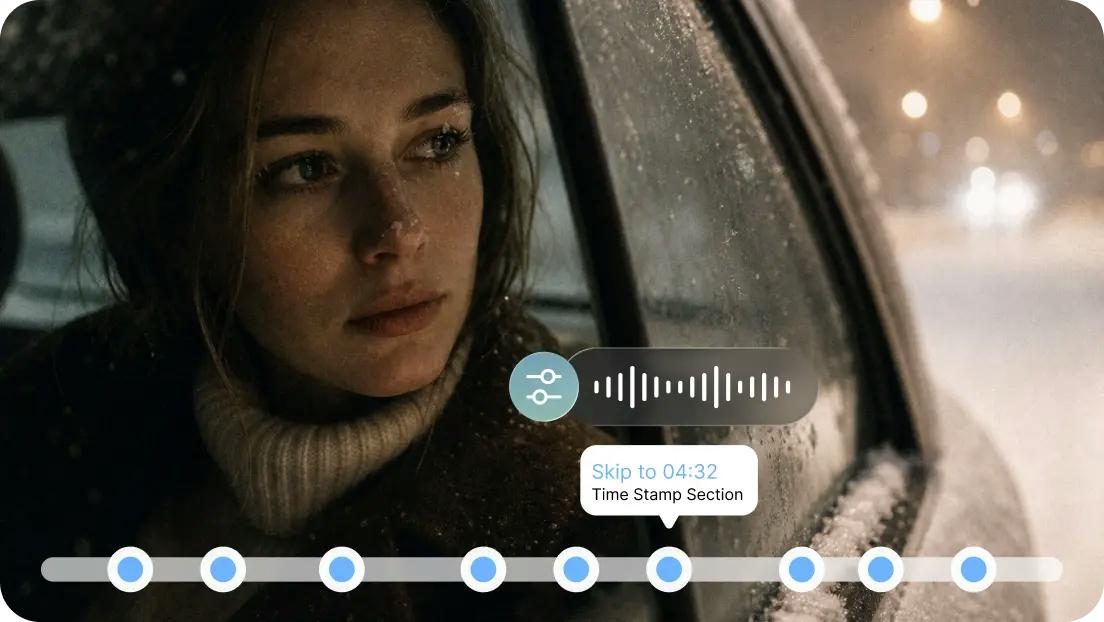
Steps to Fine-Tune Emotional Timing In Your AI Music Video Story Naturally
Step 1: Map Your Story's Emotional Flow
- Sign up for Pippit using your Google, TikTok, or Facebook account info.
- Open the "More" tab on the left menu and select "Video generator".
- Choose an AI model, such as Dreamina Seedance 1.0, Dreamina Seedance 2.0, Dreamina Seedance 2.0 Fast, Dreamina Seedance 2.0 Mini, or Dreamina Seedance 2.5.
- Enter a detailed prompt covering emotional flow, scenes, angles, ambience, effects, music, voice changes, speaker, and text.
- Select the video length, language, subtitles, and aspect ratio if needed.
- Click "+" to upload reference audio or videos from your device, phone, Dropbox, or a link. You can also select assets.
- Click "Generate" to create the video.
Step 2: Generate the Emotional Story
- After clicking " Generate, " Pippit's AI video generator creates the music video from your prompt and reference media/audio.
- The AI manages transitions, pacing, captions, avatars, voice, lyrics, and visual enhancements.
- Review the draft and check whether the emotional changes feel natural.
Step 3: Fine-Tune and Export
- Click "Download" on the top right to save the video. Use "Regenerate" if needed, or select "Edit more" below the video for further customization.
- Edit captions, add text, and adjust size, color, alignment, filters, voice, and effects.
- Add background music, remove backgrounds, control emotional timing, edit sync, and fine-tune visuals so the story, music, narration, and key moments work naturally.
- Click "Export" when ready.
- Choose "Publish" for TikTok, Instagram, or Facebook, or "Download" the video with your preferred format, resolution, frame rate, and quality.
Shape Emotional Intensity Through Pacing
Pacing is the duration of viewers' stay in each emotional moment. Slow down at times when there are meaningful scenes that need more emphasis, such as when there are lyrics, narration, expressions, or reveals. Visual movement can aid particularly energetic musical sections without overpowering the story. To allow for enough pauses to let important words or phrases of lyrics or narration resonate. Reflective passages tend to have less cutting and less movement. When the story demands continuity, sudden emotional changes must be avoided, and gradual transitions must be provided. After generation, Pippit editing tools enable timing adjustment to help perfect the relationship between sound and visuals. A strong AI MV should therefore be considered as storytelling, not decoration.
Align Music, Narration, and Visual Emotion
The purpose of the music is to set the mood, with narration or lyrics carrying particular meaning. The vocal delivery should reflect the emotion that is required for each scene. If the scene is gentle, the delivery may be more subdued, and if the scene is a climax, more vocal energy will make the scene stronger. Changes in instrumental should reflect changes in visual atmosphere and narrative significance. If narration is too early or late, change timing; don't force other scenes unnecessarily. When the timing is right, captions can help to emphasise key speaking or lyrical moments. Use music as support when narration provides important information or emotional context. Pippit offers audio, caption, voice, and transition controls to fine-tune these relationships.
Use Visual Details to Make Emotional Changes Feel Natural
Emotional changes can be communicated by visual details before characters begin to speak or music builds up. Change lighting, camera movement, framing, background, and environmental atmosphere in conjunction with changes in narrative. Using close framing can be used to make moments more vulnerable or emotionally important. Broader shots can convey freedom, openness, space or clarity. Background changes should take place when the story actually moves to another emotional setting. Repeated objects, places, colour or character details can help to create continuity from one scene to another. Camera movement too needs to be thoughtfully managed, as too much movement can detract from quieter emotional moments. Rather than automatically accepting all of the visual outputs, Pippit allows creators to tweak visual elements after the fact.
Fine-Tuning Problems That Can Break Emotional Flow
There are several technical or creative issues that can undermine a good AI music video. Before exporting the final version, be sure to review these issues:
- Abrupt switching can leave out a feeling before the preceding scene is completed.
- Too quick visuals can dilute meaningful lyrics or important narrative passages.
- Voice effects can conflict with the intended emotional tone or character context.
- Captions may precede or follow the spoken/lyrical moment.
- When information needs to be clearly understood whilst storytelling, music can easily swamp the narration.
- Too many visual effects can distract the viewer from the emotional progression.
- Reflective scenes can seem too choppy when you have multiple camera changes.
Conclusion
The natural emotional timing brings the music, narration, visuals, movement, and story together in one sequence. While automatic synchronization could be beneficial as a starting point, it is important to pace it intentionally for more powerful emotional outcomes. Pippit assists in the generation, editing, regeneration, and fine-tuning during the creative process. All A/V elements should support the emotional goal of the scene. With proper timing, an AI music video can be cohesive, expressive, and naturally developed.